Why Smart Homebuyers Are Moving Toward Integrated Townships in 2026
The real estate industry has changed dramatically over the last few years. Homebuyers are no longer looking for just four walls and a parking space. People now want convenience, security, connectivity, lifestyle amenities, and long-term value from the place they call home. A shocking development, truly. Humans apparently enjoy functioning infrastructure.
This shift has led to the rapid rise of integrated townships across major cities and developing urban regions.
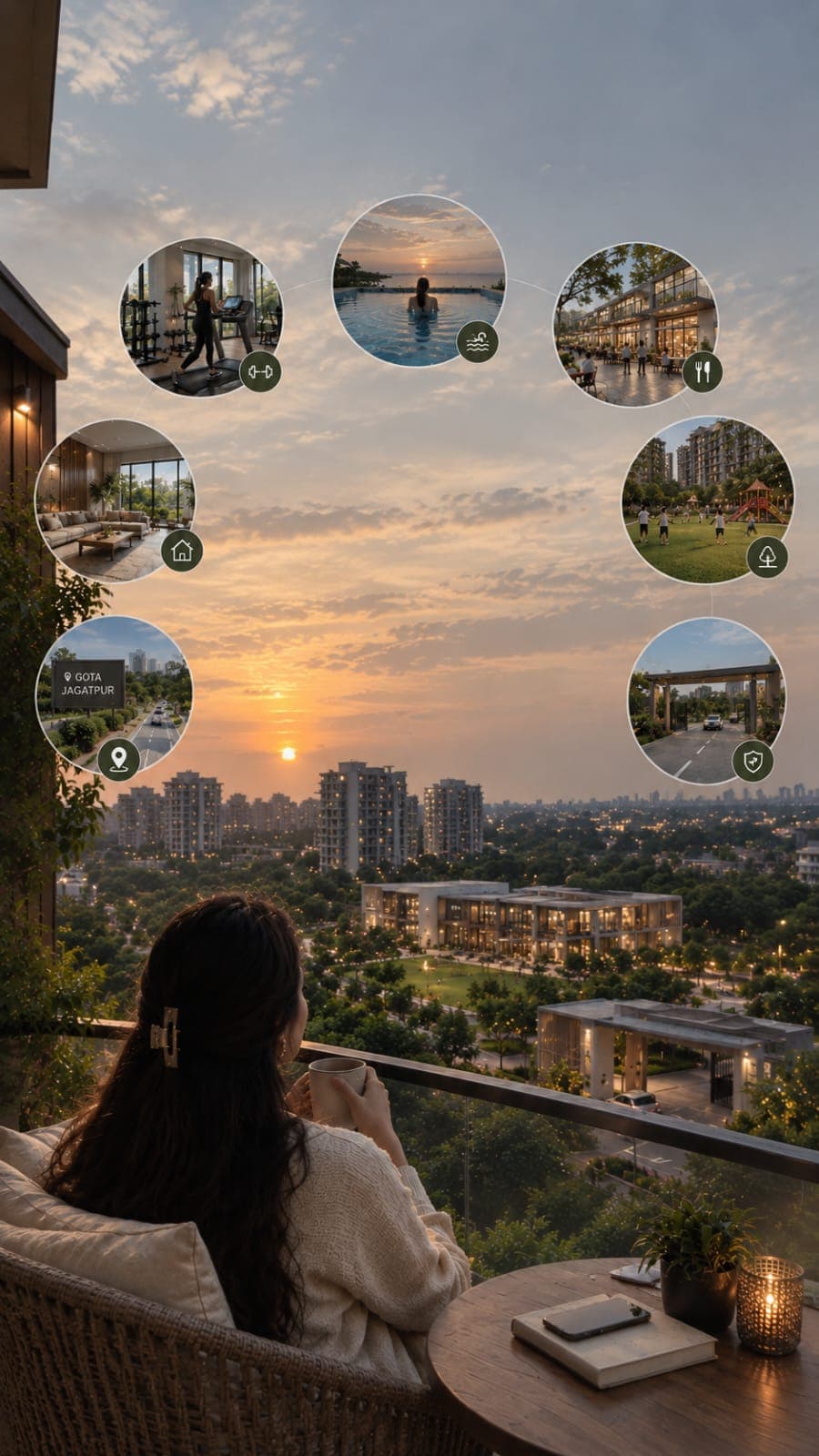
Integrated townships are large residential communities designed with everything residents need within a single ecosystem. These projects typically include residential towers, retail spaces, schools, healthcare facilities, parks, coworking areas, fitness centers, and entertainment zones.
In 2026, they are becoming one of the most preferred housing choices for families, professionals, and investors alike.
1. Everything Within Reach
One of the biggest advantages of integrated townships is convenience.
Residents no longer need to travel long distances for daily necessities. Grocery stores, cafes, gyms, pharmacies, schools, and recreational spaces are often located inside or near the community itself.
This creates a more balanced lifestyle where people spend less time commuting and more time with family, work, or personal wellness.
For working professionals, especially remote and hybrid workers, this setup has become highly attractive.
2. Better Security and Community Living
Safety has become a major factor influencing homebuying decisions.
Integrated townships usually offer:
Gated entry and exit points
24/7 surveillance systems
Smart access controls
Dedicated security teams
Visitor management systems
Families with children and senior citizens often prefer these communities because they provide a safer and more organized environment.
Beyond security, township living also encourages stronger community interaction through shared amenities, clubs, events, and recreational activities.
3. Green Spaces and Sustainable Infrastructure
Modern buyers are becoming increasingly conscious about environmental sustainability.
Integrated townships are designed with:
Landscaped gardens
Walking tracks
Rainwater harvesting systems
Solar-powered infrastructure
Waste management solutions
Open recreational areas
Compared to congested urban neighborhoods, these projects provide healthier living conditions and better air quality.
Developers are also focusing heavily on energy-efficient construction and eco-friendly planning to meet growing sustainability expectations.
4. Higher Investment Potential
From an investment perspective, integrated townships often perform better over the long term.
Properties located in well-planned communities tend to appreciate faster due to:
Better infrastructure
Stronger demand
Improved connectivity
Lifestyle-driven appeal
Upcoming commercial development nearby
As cities continue expanding outward, integrated townships are becoming self-sufficient urban hubs with strong resale and rental demand.
For investors, this means better returns and stable long-term growth opportunities.
5. Smart Amenities for Modern Living
Today’s homebuyers expect technology-driven living experiences.
Most modern townships now include:
Smart home automation
EV charging stations
App-based visitor management
Digital maintenance systems
High-speed internet infrastructure
Smart parking solutions
Technology integration improves convenience while also increasing property value over time.
In many ways, integrated townships are shaping what future urban living will look like.
6. Ideal for Families and Remote Workers
The rise of hybrid work culture has changed how people evaluate homes.
Buyers now prioritize:
Larger living spaces
Dedicated work areas
Open environments
Wellness amenities
Reliable internet connectivity
Integrated townships naturally fit these requirements by offering coworking lounges, green spaces, sports facilities, and lifestyle conveniences within one location.
This combination of comfort and practicality has made them highly desirable among younger families and professionals.
Final Thoughts
Integrated townships are no longer just a premium housing concept. They are becoming the preferred standard for modern urban living.
With better planning, improved lifestyle amenities, sustainable infrastructure, and stronger investment potential, these communities are reshaping the future of real estate in 2026.
For homebuyers, the decision is no longer just about buying property. It is about choosing a complete lifestyle ecosystem designed for convenience, comfort, and long-term growth.
More Blogs Like This