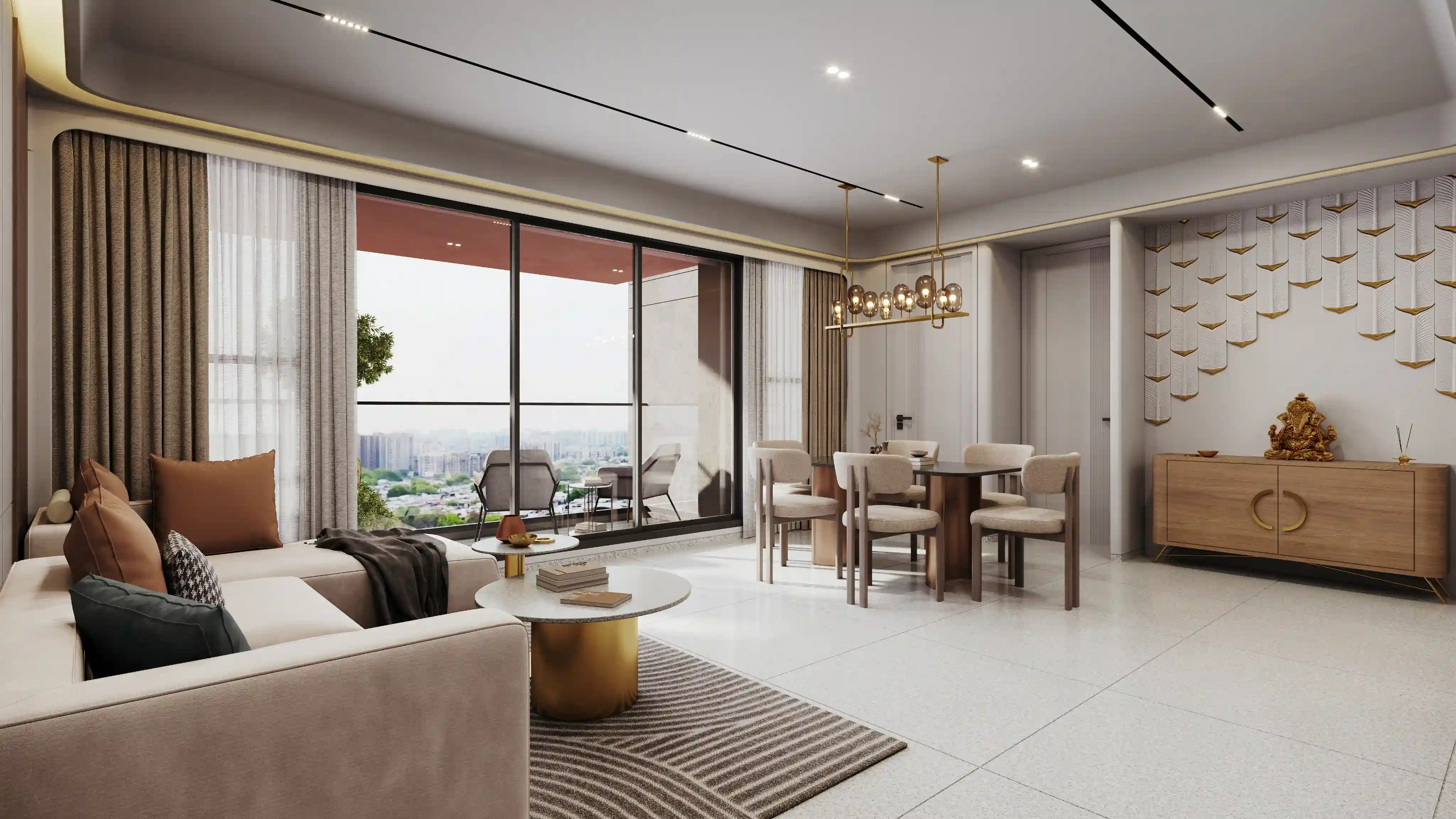
What Modern Homebuyers Expect from Real Estate Developers in 2026
The Shift in Homebuyer Priorities
The modern homebuyer is no longer focused only on price and location. In 2026, buyers are evaluating properties based on lifestyle, long-term convenience, sustainability, and future readiness.
Real estate developers are now expected to deliver experiences rather than just buildings.
This shift is changing how residential communities are planned, designed, and marketed across India.
Smart Living Has Become a Standard
Smart home technology is quickly becoming an expected feature instead of a luxury add-on.
Buyers now prefer homes equipped with:
Smart lighting systems
App-controlled security
Video door phones
Automated climate control
Digital visitor management
These features improve convenience, security, and energy efficiency while also enhancing the overall living experience.
Developers who fail to adapt to this trend risk appearing outdated in an increasingly competitive market. Which is corporate language for “people scroll past your project in 0.8 seconds.”
Sustainability Matters More Than Ever
Environmental awareness is influencing buying decisions more strongly than before.
Modern buyers actively look for:
Green building certifications
Rainwater harvesting
Solar-powered common areas
Waste management systems
Energy-efficient designs
Sustainability is no longer just a marketing keyword placed beside stock images of trees and smiling families holding coffee mugs. Buyers now genuinely expect responsible development practices.
Lifestyle Amenities Influence Decisions
Amenities have become a major differentiator for residential projects.
Today’s buyers are attracted to communities offering:
Clubhouses
Fitness centers
Co-working spaces
Landscaped gardens
Children’s play zones
Walking tracks
Indoor gaming areas
The idea of “home” has evolved into a complete lifestyle ecosystem where residents can work, relax, socialize, and stay healthy within the community itself.
Transparency Builds Trust
Homebuyers today conduct extensive online research before making inquiries. They expect developers to maintain transparency throughout the buying journey.
Clear communication regarding:
Pricing
Construction updates
Possession timelines
Legal approvals
Project specifications
plays a critical role in building credibility and long-term trust.
Developers who prioritize transparency often create stronger customer relationships and better brand reputation.
Flexible Spaces Are in Demand
Remote and hybrid work culture has permanently changed how people use their homes.
Buyers increasingly prefer:
Dedicated workspaces
Multi-functional rooms
Larger balconies
Better natural lighting
Improved ventilation
Developers are now designing homes that support productivity alongside comfort and aesthetics.
Community and Well-Being Are Key Factors
Modern buyers value emotional well-being and social connectivity as much as physical infrastructure.
Projects that encourage community interaction through:
Open spaces
Event areas
Recreational facilities
Wellness zones
tend to create stronger appeal among families and young professionals alike.
Conclusion
The expectations of homebuyers in 2026 reflect a broader lifestyle transformation. Buyers are seeking smarter, greener, and more meaningful living experiences that align with their personal and professional needs.
For real estate developers, adapting to these changing expectations is no longer optional. It is essential for building projects that remain relevant, valuable, and future-ready in an evolving market.