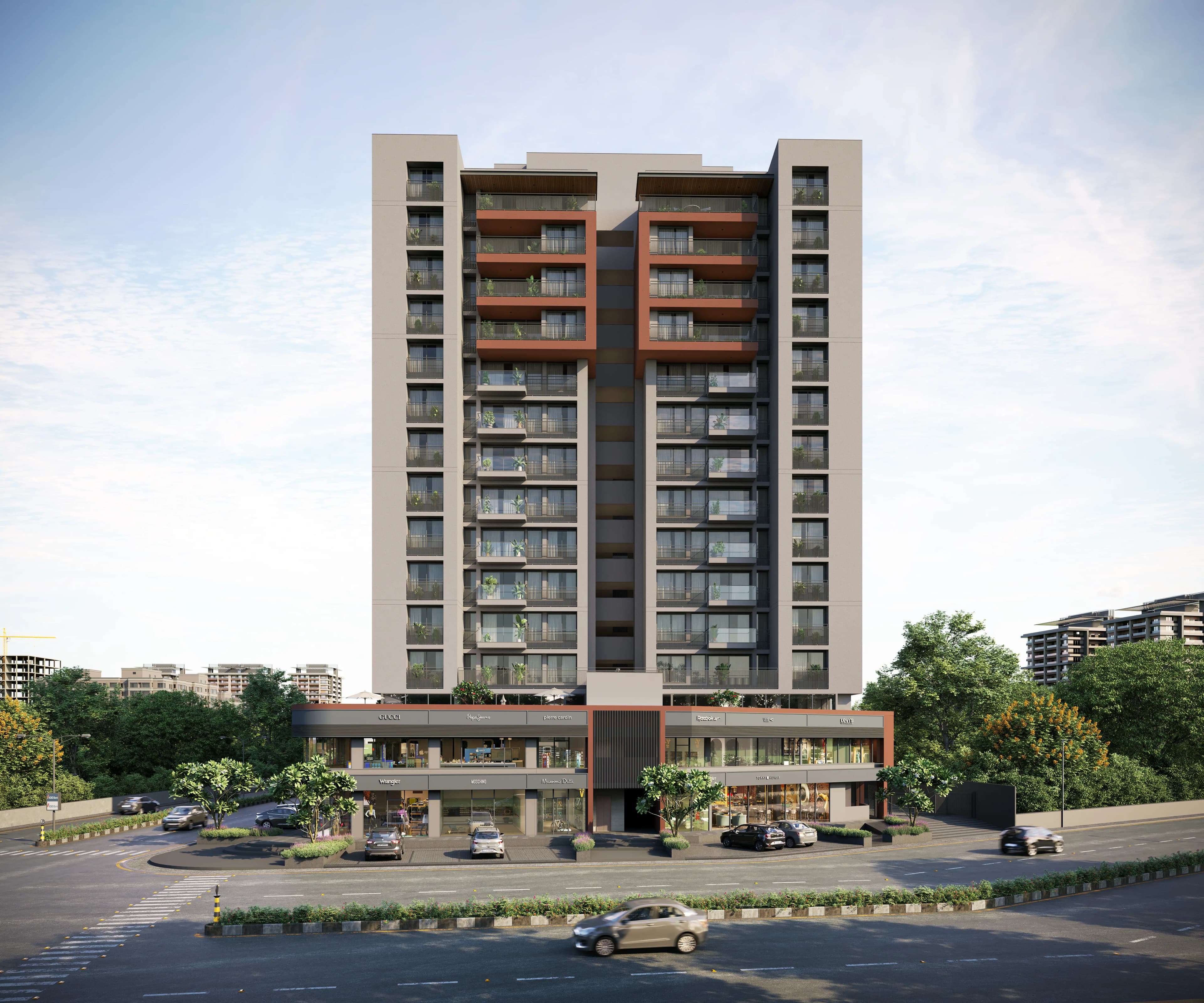
Why Mixed-Use Developments Are the Future of Urban Living
Introduction
Cities are evolving faster than ever. As urban populations grow and lifestyles become increasingly dynamic, traditional real estate models are struggling to meet modern expectations.
This is where mixed-use developments are changing the game.
By combining residential, commercial, retail, entertainment, and recreational spaces into one integrated environment, mixed-use developments are creating smarter and more convenient urban communities.
People used to spend half their lives commuting between work, shopping, gyms, cafés, and home. Humanity essentially designed cities like badly optimized APIs.
What Are Mixed-Use Developments?
A mixed-use development is a project that integrates multiple types of spaces within a single community or structure.
These developments commonly include:
Residential apartments
Office spaces
Retail stores
Restaurants and cafés
Entertainment zones
Parks and open spaces
Wellness and fitness centers
The goal is to create self-sustaining communities where people can live, work, shop, and socialize without needing to travel long distances.
Convenience Is Driving Demand
One of the biggest reasons behind the popularity of mixed-use developments is convenience.
Modern buyers value time more than ever. Living close to workplaces, schools, shopping centers, and recreational areas significantly improves daily life.
Residents can:
Walk to nearby stores
Access offices within minutes
Enjoy leisure activities nearby
Reduce travel stress
Save transportation costs
This integrated lifestyle creates a more balanced and efficient urban experience.
Better Community Living
Mixed-use developments encourage stronger social interaction and community engagement.
Unlike isolated residential buildings, these spaces naturally create environments where people connect through:
Shared amenities
Public spaces
Events and activities
Retail and dining areas
This helps foster a stronger sense of belonging and improves the overall quality of life for residents.
Sustainability and Reduced Traffic
Urban congestion is a growing challenge in major cities. Mixed-use developments help reduce traffic by minimizing the need for long daily commutes.
When residential and commercial spaces exist together:
Vehicle dependency decreases
Carbon emissions reduce
Public transportation becomes more effective
Walkability improves
Many modern mixed-use projects also integrate sustainable infrastructure such as:
Solar energy systems
Green landscaping
Rainwater harvesting
EV charging stations
Smart energy management
Developers finally discovered that covering buildings with plants photographs extremely well and occasionally benefits the planet too.
Strong Investment Potential
From an investment perspective, mixed-use developments offer diversified value.
These projects often generate:
Higher foot traffic
Better commercial demand
Stable rental income
Strong property appreciation
Increased long-term occupancy
Because they serve multiple purposes, mixed-use developments tend to remain resilient even during changing market conditions.
The Rise of Integrated Townships
Integrated townships are becoming increasingly popular across India, especially in rapidly developing urban centers.
These large-scale developments function like mini-cities with:
Residential clusters
Business districts
Educational institutions
Healthcare facilities
Retail zones
Recreational spaces
Such ecosystems provide residents with everything they need within a connected environment.
The Future of Urban Development
As cities continue expanding, mixed-use developments are expected to play a major role in shaping future urban planning.
Governments, developers, and urban planners are increasingly prioritizing projects that promote:
Sustainability
Walkability
Community living
Smart infrastructure
Efficient land use
This approach aligns with the changing expectations of modern urban residents.
Conclusion
Mixed-use developments are more than just a real estate trend. They represent a fundamental shift in how cities are designed and experienced.
By integrating residential, commercial, and lifestyle spaces into one ecosystem, these developments create smarter, more connected, and more sustainable communities for the future.
As urban living continues to evolve, mixed-use projects are likely to become the foundation of next-generation cities.